
Closed-cell foam insulation
The most moisture-resistant insulation material available - ideal for crawl space walls and rim joists where ground humidity is persistent.
Learn more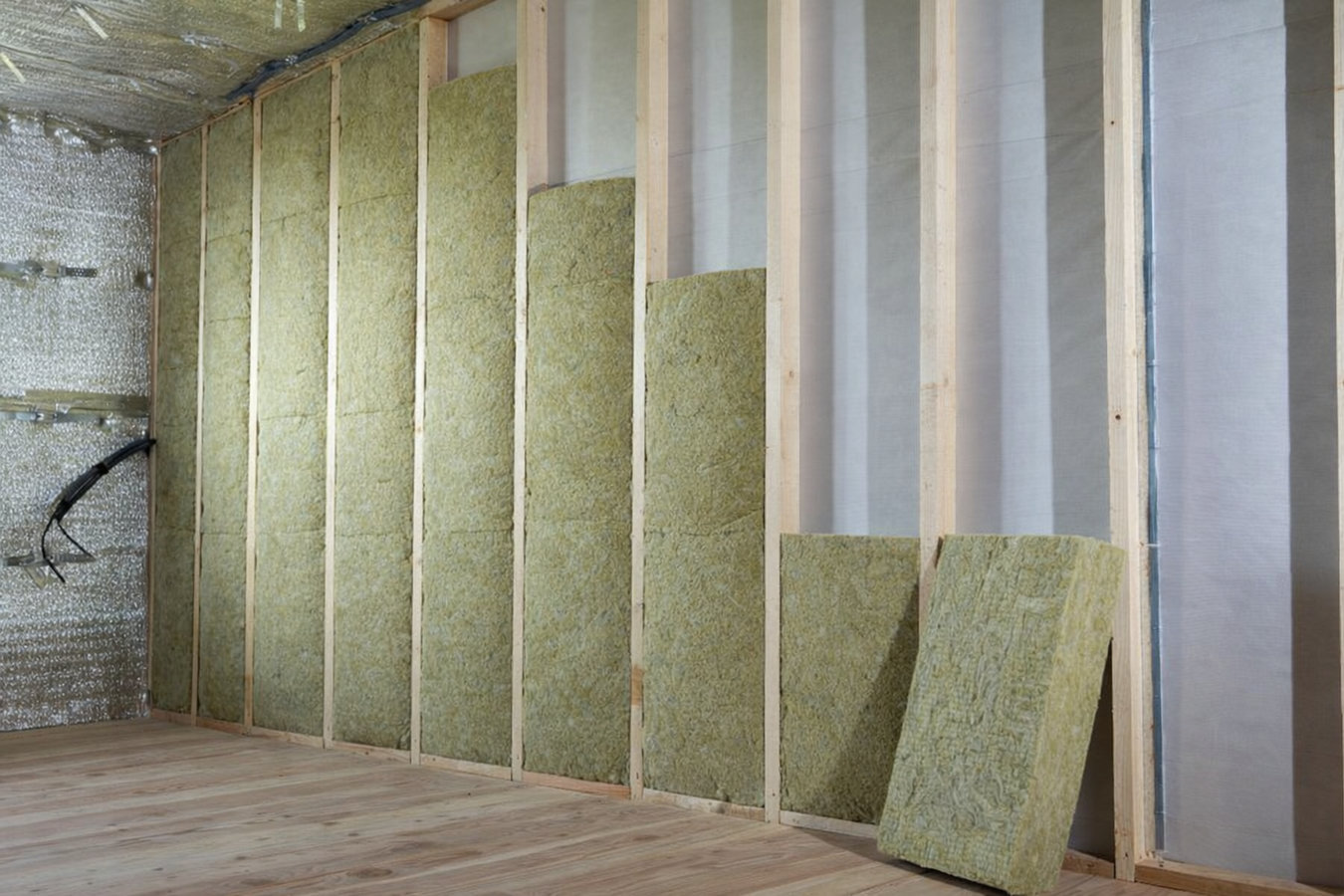
Ground heat and soil moisture under your Valdosta home drive up cooling costs all summer. We insulate and seal below-floor spaces so your home holds a comfortable temperature without working overtime.
Basement insulation in Valdosta creates a thermal barrier between the warm, moist ground beneath your home and the living spaces above it - most jobs on a standard Valdosta home are completed in one to two days, and most homeowners notice a change in floor temperature and comfort within the first full summer.
One thing that surprises many homeowners is that most Valdosta properties do not have a true below-grade basement. What most houses here have is a crawl space - a shallow, unfinished area between the soil and your floor structure. That distinction matters because the insulation approach is different, and the moisture risk is significant. In Valdosta's Climate Zone 2, ground moisture and humid air push up from below constantly, so any work done under the floor needs to account for vapor control, not just heat resistance. Many older homes in established Valdosta neighborhoods have little or no insulation in this space at all, which means the improvement after proper installation tends to be immediate and noticeable. Homeowners who have also dealt with moisture issues often benefit from pairing this work with closed-cell foam insulation for the most durable moisture and thermal barrier available.
The payoff is not just comfort - it shows up on your energy bill. An under-insulated crawl space forces your air conditioner to compensate for heat and moisture rising from below every day of Valdosta's long summer.
In Valdosta's long, hot summers, heat and moisture from the ground push up through an uninsulated floor. If your first floor feels noticeably warmer than you would expect even when the AC is running, or if floors feel slightly damp underfoot in July, the space below is likely uninsulated or poorly sealed. That heat is working against your cooling system every hour of every summer day.
A musty or earthy odor that comes and goes with the seasons almost always points to moisture moving up from below. Valdosta's humidity is high enough that an unsealed crawl space stays damp for much of the year, and that moisture creates the conditions for mold and mildew long before you see any visible damage. Addressing it with proper insulation and a vapor barrier stops it at the source.
If your electricity bill climbs sharply from May through September and stays elevated, your air conditioner may be fighting heat rising from below as much as heat coming in from outside. Valdosta's summers regularly push temperatures into the low 90s, and an uninsulated crawl space adds meaningfully to your home's cooling load. That is a cost you pay every month from May through September.
If you have ever looked into the crawl space with a flashlight and seen bare wood floor joists with nothing between them and the soil, insulation is missing. Exposed soil with no vapor barrier is also a common finding in older Valdosta homes. Both conditions allow ground moisture and heat to move freely into the floor structure, and neither will improve on its own.
We install below-floor insulation throughout the Valdosta area, handling everything from straightforward floor joist projects to full crawl space encapsulation. The approach we recommend depends on what we find during the assessment - the size of the space, its current moisture level, and whether old insulation needs to come out first. For homes where the crawl space is dry and access is reasonable, floor joist insulation with a ground-level vapor barrier is often the most cost-effective path. For homes where moisture is already a recurring issue, encapsulation addresses the root problem rather than adding insulation on top of it. We also pair below-floor work with crawl space insulation for homeowners who want a comprehensive moisture and thermal system in one project.
Before any new insulation goes in, we remove damaged material. Sagging or wet fiberglass batts are not worth insulating around - they have already lost their effectiveness and can trap moisture against the wood structure. We seal air gaps and penetrations - around pipes, wires, and where the wall meets the floor - before the insulation is installed, because insulation alone does not stop air movement. That sequencing is the difference between a job that lasts and one that degrades within a few years in South Georgia's climate.
Best for crawl spaces with manageable moisture - creates a thermal barrier between the ground and your living space.
For homes with persistent moisture or musty odors - seals the crawl space walls and floor so moisture cannot enter.
For crawl spaces with sagging, fallen, or moisture-damaged material that needs to be cleared before new insulation can perform.
Ground-level and rim-joist sealing that stops humid air from entering the floor structure - often done as part of any insulation project.
Valdosta sits in Climate Zone 2 - one of the hottest and most humid zones in the continental United States. That classification shapes everything about how insulation needs to work here. The enemy is not just heat; it is moisture-laden air that finds every gap and pushes into your home from below. The region also sits on sandy, clay-heavy soils with a relatively high water table in many areas, which means ground moisture is a persistent reality for homeowners in Lowndes County. Georgia follows the International Energy Conservation Code, which sets minimum insulation requirements for permitted work, but those minimums reflect what is legally required - not necessarily what performs best in this climate. Homeowners in Valdosta who ask for a recommendation beyond code minimum almost always end up with a more comfortable home and lower energy costs. The EPA explains how moisture control and insulation work together to prevent mold in humid climates.
A large portion of Valdosta homes were built before 1980, when insulation requirements were far less strict than they are today. Many of those homes have either no insulation under the floor, or fiberglass batts that have degraded from years of exposure to South Georgia's heat and humidity. If your home is in that age range and the crawl space has never been inspected, the improvement after proper insulation is often dramatic - floors that feel like part of the house, rooms that hold temperature more evenly, and a summer electric bill that finally reflects what a sealed home should cost to cool. We regularly work with homeowners in Tifton and surrounding South Georgia communities where the same under-floor conditions are common.
We respond within 1 business day. We ask a few basic questions - your home's age, the type of space beneath it, and whether you have noticed moisture or odor issues. Short call, no obligation, and it helps us show up to the estimate prepared.
A technician inspects the crawl space or basement - looking at what is there now, checking for moisture, and noting anything that needs to be addressed before insulation goes in. This visit takes 30 to 60 minutes, and you receive a written estimate breaking down every line item.
Clear a path to the crawl space access point and move stored items away from the work area. The crew brings all equipment and materials. You do not need to vacate your home during most crawl space jobs.
Most jobs are done in one day. We seal air gaps first, remove damaged old material, then install the new insulation and vapor barrier. Before leaving, the crew walks you through the finished work and notes anything to watch going forward.
We respond within 1 business day. No obligation - just an honest look at what is under your home and a written estimate for what it will take to fix it. Call or submit the form below.
(229) 427-0227We know that South Georgia's under-floor problems are driven by moisture as much as heat. Every recommendation we make accounts for both - not just the code minimum, but what actually performs in Lowndes County's humid subtropical climate.
We work throughout the Valdosta area and into Thomasville, Tifton, Waycross, Douglas, and as far as Lake City, FL. The crawl space conditions across this region are consistent, and we have handled them in all of these communities.
Installing insulation over a damp crawl space is one of the most common contractor mistakes in this region - it traps moisture against the wood and makes the problem worse. We inspect for moisture and address it first. That sequencing is not optional in Valdosta's climate.
Crawl space conditions in Valdosta vary enough that we do not quote this work over the phone. After the assessment, you get a written estimate with every line item spelled out - no surprises when the bill arrives.
In Valdosta, an uninsulated crawl space is not just an energy cost - it is a moisture risk that compounds over time. Getting it handled now is far less expensive than fixing rot or mold damage later. Call (229) 427-0227 or request a free estimate online.
The most moisture-resistant insulation material available - ideal for crawl space walls and rim joists where ground humidity is persistent.
Learn moreDedicated crawl space solutions including floor joist insulation, full encapsulation, and vapor barrier installation for South Georgia homes.
Learn moreLate winter and early spring are the best time to schedule - contractors are less booked and your home will be ready before Valdosta's summer heat arrives.