
Attic air sealing
Close the penetrations around pipes, wires, and fixtures in your attic before insulation goes on top - makes every layer of insulation work harder.
Learn more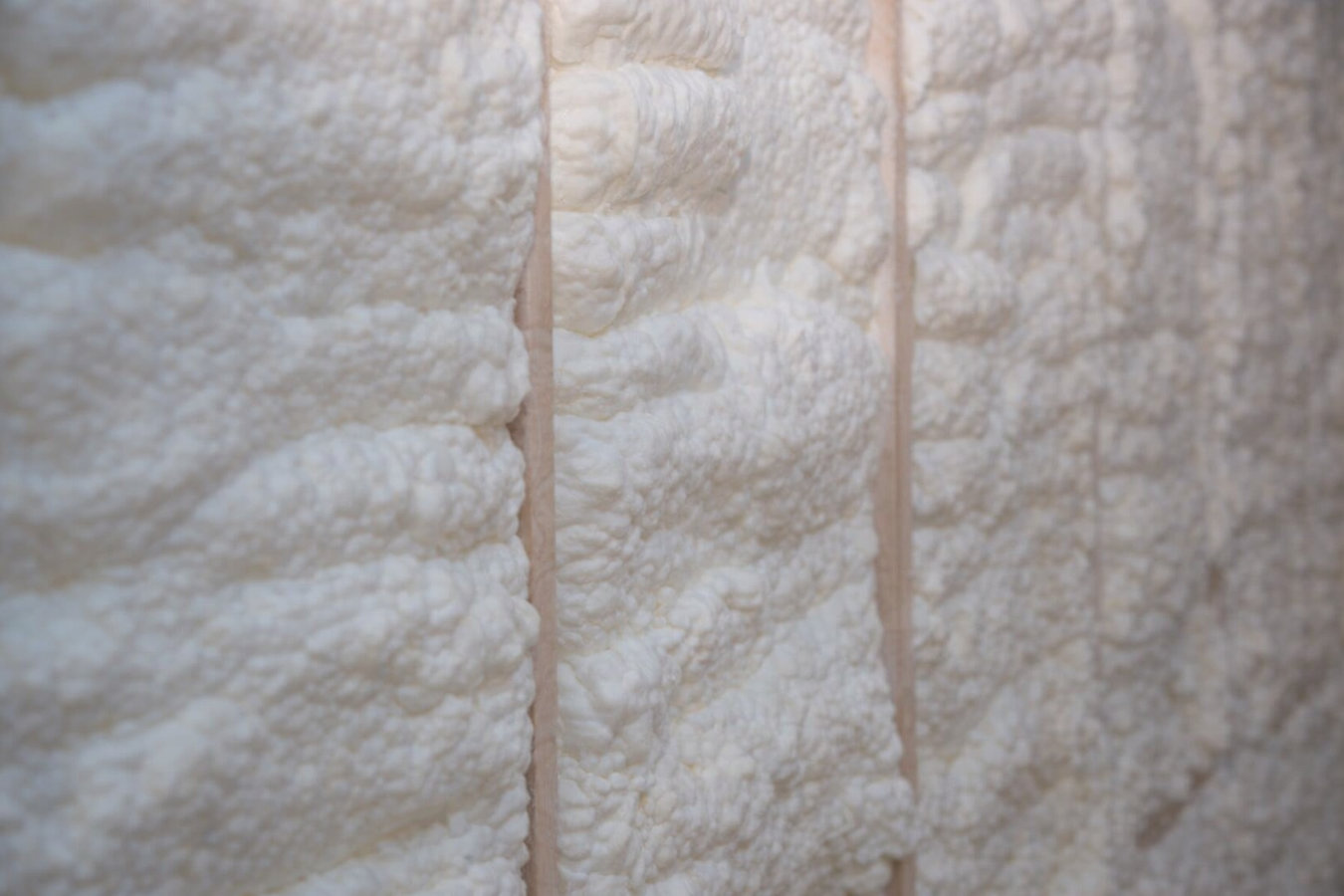
Open-cell foam expands to fill every gap in your attic, walls, or crawl space - stopping hot, humid air at the source and lowering your summer cooling bills for good.
Open-cell foam insulation in Valdosta seals air leaks and insulates in one step - most residential attic or crawl space jobs are completed in one to two days. A contractor sprays the liquid foam into your attic, walls, or crawl space and it expands up to 100 times its original size, filling gaps, cracks, and irregular shapes that traditional batt insulation simply cannot reach. Once it cures, it stays in place permanently without settling or compressing.
In Valdosta, where the cooling season runs from May through October, the air-sealing effect of open-cell foam is often more valuable than the insulation itself. A significant share of homes in this area were built in the 1960s through 1980s with minimal insulation and no attention to air leakage - meaning your AC has been fighting hot, humid air pouring through gaps every summer. Open-cell foam closes those gaps and pairs naturally with attic air sealing for a complete thermal envelope upgrade.
Because open-cell foam is permeable to moisture vapor, it works best in above-grade applications - attics, interior walls, and rim joists - where moisture exposure is manageable. In crawl spaces or below-grade areas with higher moisture, your contractor will discuss whether open-cell or spray foam insulation using closed-cell product is the better fit for your specific home.
If your Georgia Power bill has been creeping up year after year - or spikes dramatically every May when the heat arrives - your home may be losing conditioned air faster than your AC can replace it. In Valdosta, where cooling season runs nearly six months, even a modest air leak adds up to hundreds of dollars annually. This is one of the most common signs that insulation or air sealing is no longer doing its job.
If a bedroom or bonus room always feels warmer than the rest of the house even with the AC running, that is a strong sign that insulation in that area is thin, missing, or full of gaps. In older Valdosta homes, attic insulation often settles unevenly over time, leaving some areas much less protected than others. You should not have to close off a room in summer just to keep your energy bill manageable.
On a hot summer day, hold your hand near an outlet or light switch on an exterior wall. If you feel warmth or a faint draft, air is moving through gaps in your wall insulation. This is especially common in homes built before the 1990s in Valdosta, when air sealing was not a standard part of construction. Open-cell foam fills those cavities completely and stops the movement.
Valdosta's humidity creates ideal conditions for mold and moisture damage in attics and crawl spaces that are not properly sealed. If you have noticed a musty smell, seen evidence of insects or rodents, or had a pest control company identify entry points in your attic, those same gaps are letting conditioned air out and humid outdoor air in. Foam seals those openings at the same time it insulates.
We install open-cell spray foam in attics, interior wall cavities, rim joists, and crawl spaces. Every job starts with a thorough assessment - we check what is already in place, look for any moisture or structural concerns that need to be handled first, and explain exactly what we recommend and why before any work is scheduled. For attics, we spray the foam across the entire attic floor or against the roofline depending on your home type, then trim and inspect for complete coverage before we leave.
Open-cell foam pairs well with a full attic air sealing treatment, where we close penetrations around pipes, wires, and light fixtures before applying insulation on top. For homeowners who also need work on exterior walls, we often pair this service with spray foam insulation to address the whole building envelope in a single visit. We handle all cleanup and leave a written summary of what was installed and where.
Best for homeowners whose biggest source of heat gain is the ceiling - covers the attic floor or roofline completely and seals the air barrier in one application.
Best for open-wall renovations or new construction where cavities are accessible - fills the entire stud bay for maximum air sealing and thermal performance.
Best suited for above-grade crawl space walls where moisture exposure is manageable - often paired with a vapor barrier on the ground for complete encapsulation.
Best for sealing the perimeter of your home at the foundation line - a commonly missed area that contributes to both heat loss and pest entry.
Valdosta sits in one of the most demanding climate zones in the country for residential cooling. Summers are long, hot, and genuinely muggy - temperatures regularly climb into the low 90s from May through September and the humidity rarely lets up. A significant share of homes in Valdosta's established neighborhoods were built in the 1960s through 1980s with minimal insulation and no air sealing - meaning gaps around light fixtures, plumbing pipes, and wall plates have been letting conditioned air escape for decades. Open-cell foam is particularly effective here because it addresses both heat transfer and air infiltration in a single installation. Homeowners in Valdosta often report a noticeable change in comfort within the first cooling season after foam is installed.
Georgia follows a statewide energy code that sets minimum insulation standards, and Valdosta falls in Climate Zone 2 - one of the highest-demand zones for cooling. For homes in older neighborhoods near Valdosta State University and along the Bemiss Road corridor, the gap between what current code requires and what was actually built is often substantial. We also regularly serve homeowners in Thomasville who face the same older housing stock and climate conditions. The U.S. Department of Energy insulation guide is a reliable reference for understanding the R-value targets that apply to South Georgia homes.
We respond within 1 business day. We ask a few basic questions - your home's age, which areas you want insulated, and whether you have noticed specific comfort or energy problems. No obligation, no pressure to commit on the first call.
We walk through the areas you want insulated, measure the space, and check for any moisture issues that need to be addressed first. You receive a written estimate before any work is scheduled - a good contractor explains what they found and what they recommend without rushing you.
Before the crew arrives, clear stored items from the attic or crawl space and move anything fragile out of the work zone. You and your family - including pets - will need to be out of the home for two to four hours during and after spraying. This is a standard safety precaution.
The crew lays protective coverings, sprays the foam, trims excess, and does a visual check for complete coverage. Most single-family home jobs are done in one day. Before leaving, we walk you through the finished work and leave documentation of what was installed.
We respond within 1 business day. No obligation - just an honest assessment of what your home needs and a written quote before any work begins. Someone from our office will call to schedule a free in-home visit at a time that works for you.
(229) 427-0227Our crews handle insulation work across South Georgia and document every job from start to finish. You can review exactly what was installed, so you are never guessing about the work done in your home.
We work across Lowndes County and throughout the region, serving homeowners in 12 cities. That range means we know the older housing stock, the local climate patterns, and the moisture conditions that make South Georgia homes different from those in other parts of the state.
We never schedule a crew without a written estimate you have reviewed and accepted. If anything unexpected comes up during the assessment, you hear about it before the crew arrives - not on the invoice afterward. No surprises, no pressure.
Open-cell foam behaves differently in a humid subtropical climate than it does in a dry northern one. We choose application depths, coverage areas, and companion services - like vapor barriers - based on what South Georgia's humidity and heat actually demand, not a generic checklist. The Spray Polyurethane Foam Alliance publishes installation standards we follow on every job.
Spray foam is a permanent installation - getting it done right the first time matters. Call us at (229) 427-0227 or request a free estimate online and we will walk your home with you before recommending anything.
Close the penetrations around pipes, wires, and fixtures in your attic before insulation goes on top - makes every layer of insulation work harder.
Learn moreExplore closed-cell foam for crawl spaces and below-grade areas where a moisture barrier is needed alongside the insulation.
Learn moreValdosta's cooling season starts in May - lock in your assessment now so the work is done before peak summer heat arrives and your AC is fighting an uphill battle.