Retrofit insulation
Add thermal protection to a home that was built without adequate insulation - often done alongside vapor barrier work for a complete moisture and efficiency upgrade.
Learn more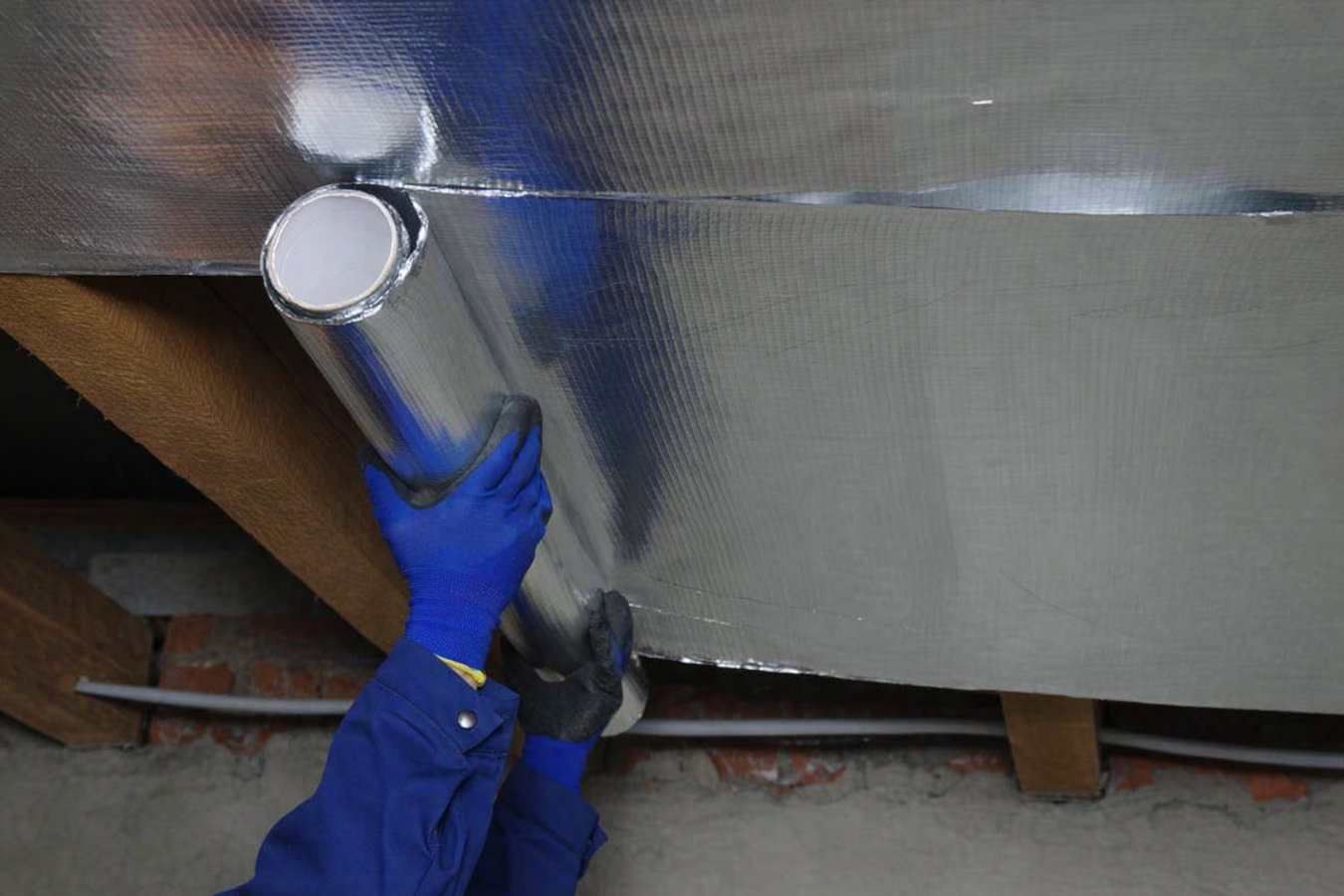
Ground moisture is the hidden cause of musty smells, soft floors, and climbing energy bills in Valdosta homes. We install vapor barriers that stop it at the source, with a written warranty on every job.
Vapor barrier installation in Valdosta places a sheet of heavy plastic or reinforced membrane material across your crawl space floor and up the foundation walls to block ground moisture from rising into your home's structure and air - most single-family jobs take one to two days and require no disruption to your daily routine. Without it, the ground under your house releases moisture upward constantly, feeding mold on floor joists, softening the wood your floors rest on, and pushing damp air into rooms above. Think of it as a raincoat for the underside of your house.
In Valdosta's humid subtropical climate, this is not a seasonal problem - the ground is releasing moisture twelve months a year. The majority of older homes in Lowndes County were built on pier-and-beam or block foundations with open crawl spaces and either no barrier at all or thin plastic that has long since cracked and degraded. If your home was built before the 1990s, there is a good chance it has never had a proper vapor barrier installed. Combining vapor barrier installation with retrofit insulation is a common approach that addresses both moisture and thermal efficiency in homes that have missed decades of protection.
The difference between good work and poor work is straightforward: a well-installed barrier covers every inch of the floor with no gaps, overlaps seams by at least a foot and seals them with tape, and runs up the foundation walls. Poor work leaves exposed soil in corners, skips sealing the seams, or uses thin material that tears when anyone needs to access the crawl space later. Quality of installation matters more in Valdosta's climate than in drier parts of the country.
If you notice a damp, earthy smell when you walk in the door - particularly after Valdosta's humid summer months - that odor is often coming from moisture rising through an unprotected crawl space. The smell tends to be strongest near the floor or in rooms directly above the crawl space. This is one of the clearest signs that ground moisture is making its way into your living space.
When moisture gets into the wood framing and subfloor beneath your feet over time, the wood begins to soften and can eventually rot. If you notice spots where the floor gives slightly when you walk on it, or if floorboards have started to warp or separate, moisture from below is a likely cause. In Valdosta's climate, this kind of damage can develop faster than homeowners expect.
If you have ever looked into your crawl space and noticed water droplets forming on metal pipes or HVAC ducts, the air down there is saturated with moisture. Condensation like this means the ground is releasing more vapor than the space can handle. Left alone, it leads to rust on metal components and mold on wood surfaces.
Excess moisture in a crawl space makes your HVAC system work harder because humid air is harder to heat and cool. If your utility bills have been climbing and you have not changed your habits, an unprotected crawl space could be part of the reason. Valdosta summers are long and hot, and a moisture problem underneath the house adds to the load your air conditioner is already carrying.
We install polyethylene vapor barrier membranes across the entire crawl space floor and up the foundation walls, overlapping every seam and securing them with tape so moisture has no path through. For Valdosta homes with significant moisture history, we recommend thicker barrier material - it resists tearing when HVAC technicians or pest inspectors need crawl space access years later, and it holds up far better in this climate than budget options. We always document the finished work with photos before we leave so you have a clear record.
For homes where a basic barrier is not enough, we offer full encapsulation - sealing the crawl space walls and often adding a dehumidifier for active moisture control. We can also combine vapor barrier installation with crawl space vapor barrier upgrades or pair the work with retrofit insulation to tackle heat and moisture in the same visit. Both combinations are more cost-effective than scheduling them separately, and they address the two most common crawl space problems in Lowndes County at once.
Best for homes where the main issue is bare or degraded soil releasing moisture - covers the floor completely with sealed, overlapping seams and wall edges.
Best for Valdosta homes with persistent moisture history or crawl spaces that receive regular service visits - thicker material lasts significantly longer in humid climates.
Best for homes with severe moisture problems - seals the floor, walls, and foundation vents, and pairs with a dehumidifier for year-round active moisture control.
Best for older homes where degraded original material needs to be removed first - we clear out the old plastic, address any debris or drainage issues, then install the new barrier properly.
Valdosta's warm winters mean moisture problems do not take a season off. Unlike homeowners in colder climates who get a break from humidity in winter, Valdosta homeowners deal with ground moisture and mild, damp conditions nearly every month of the year. The majority of older homes in Valdosta and throughout Lowndes County were built on pier-and-beam or block foundations with open crawl spaces - a design that was standard decades ago but actually pulls in humid South Georgia air and makes moisture problems worse. If your home was built before the 1990s, there is a good chance the crawl space has never had a proper barrier installed, or the original one has degraded past the point of doing its job. Homeowners in Valdosta with homes in this age range almost always find the investment worthwhile.
Much of the soil in the Valdosta area is part of the Coastal Plain, characterized by sandy, well-drained surface layers over clay-heavy subsoils. While the sandy top layer drains quickly after rain, the clay beneath holds water and releases it slowly as vapor - directly into your crawl space. This soil profile makes ground moisture a persistent issue even during dry stretches, which is why contractors here often recommend thicker barrier materials than you would need in drier climates. We serve homeowners in Thomasville who share the same Coastal Plain soil conditions and crawl space construction patterns. For guidance on moisture control best practices, the Building Science Corporation publishes detailed, independent resources on crawl space moisture and encapsulation.
We respond within 1 business day. We ask a few basic questions - the size of your home, whether you have noticed any specific problems, and whether anyone has looked at the crawl space recently. This first conversation is free and comes with no obligation.
We get under your house and take a thorough look at what is there - the current condition of the ground, any existing barrier material, signs of moisture damage, and how accessible the space is. We measure the square footage so the estimate is accurate. When we come back up, we walk you through what we found in plain terms.
You receive a written quote that breaks down what is included - materials, labor, any debris removal, and whether a permit is needed. If we recommend full encapsulation rather than a basic barrier, we explain the difference and let you decide. Take time to compare quotes - a trustworthy contractor will not pressure you to sign on the spot.
The crew clears out any old material, then lays the new barrier across the entire ground surface, overlapping and sealing the seams, and running it up the foundation walls. Before leaving, we show you the finished work in photos and explain what to watch for in the coming weeks. A written warranty goes with every job.
We respond within 1 business day. No obligation - just a straight conversation about what your crawl space needs. A member of our team will call to schedule a free assessment at a time that works for you.
(229) 427-0227A crawl space is a space you probably never see after the work is done. We document the finished installation with photos and walk you through them before we leave. You have a clear record if questions ever come up during a home inspection, refinance, or sale.
We work throughout Lowndes County and the surrounding region, covering 12 cities across South Georgia and North Florida. Ground moisture and pier-and-beam construction are among the most common issues we address across every market we serve - we have installed hundreds of barriers in this climate.
Every vapor barrier installation we do comes with a written warranty. If something comes up under warranty, you have documentation and a local contractor you can actually reach - not a national chain that has moved on to the next market.
We know when Lowndes County requires a permit for encapsulation work and handle that paperwork for you. Unpermitted work can create complications at closing - we make sure that does not happen and document every job for your records.
Vapor barrier installation is one of the most practical home improvements a Valdosta homeowner can make - it protects your structure, improves your air quality, and works quietly for years. Call us at (229) 427-0227 or submit the form for a free estimate.
Add thermal protection to a home that was built without adequate insulation - often done alongside vapor barrier work for a complete moisture and efficiency upgrade.
Learn moreFocused crawl space ground cover installation for homes where the primary need is blocking floor-level moisture from bare or degraded soil.
Learn moreValdosta's humidity does not let up year-round - the sooner your crawl space is protected, the sooner you stop worrying about what is happening to your floors and framing. We respond within 1 business day.