Insulation removal
Safe removal of old, damaged, or contaminated insulation before new material is installed - required when existing insulation is wet, moldy, or pest-affected.
Learn more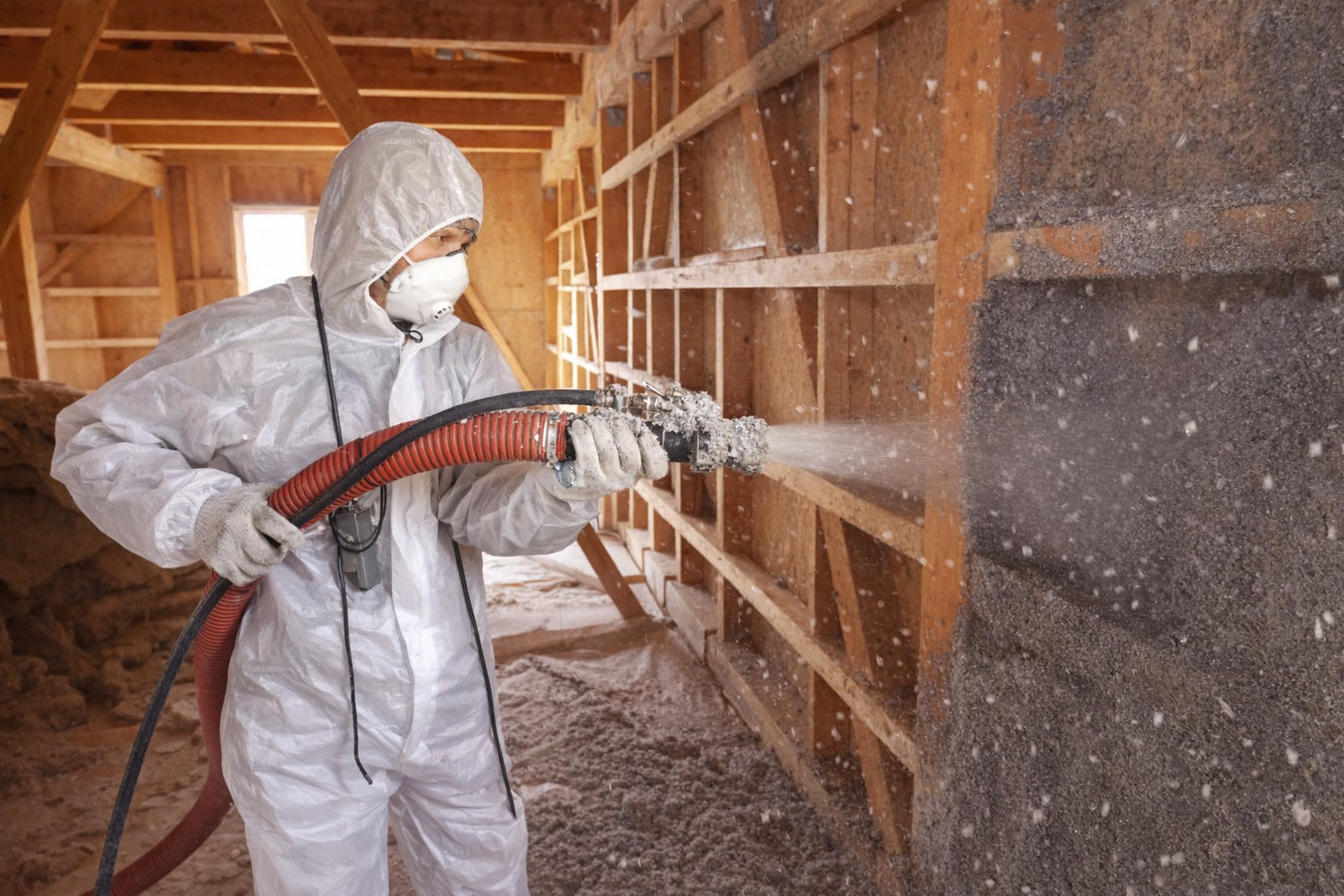
Too many Valdosta homes lose conditioned air through thin attics and unsealed crawl spaces. A full home insulation assessment finds every gap so your AC is not fighting your own house.
Home insulation in Valdosta slows the movement of heat through your attic, walls, and crawl space so your air conditioner is not fighting your own house all summer - most jobs cover the full assessment, air sealing, and installation in one or two days. Because insulation removal is sometimes needed before new material goes in, a proper assessment of what is already there always comes first.
In Valdosta's humid subtropical climate, air conditioning runs from April through October - and a home with thin or patchy insulation is paying to cool air that escapes almost as fast as the AC creates it. Many homes in established Valdosta neighborhoods were built in the 1950s through 1980s with insulation levels well below what the Department of Energy recommends today. If your home is in that age range and has never had an insulation upgrade, there is a real chance it is losing energy every month.
The attic is the single most important area to address - heat rises and radiates down through your ceiling all day. But in a city where many homes sit on crawl space foundations, the floor below your living space matters just as much. We look at both.
If your electric bill spikes every June through September and you are running the air conditioner the same way you always have, poor insulation is one of the most likely reasons. A noticeable year-over-year increase in cooling costs - especially in a home you have owned for several years - is worth investigating before another hot season arrives.
If one room always runs warmer than the others, or if the upstairs of your home feels like a different climate than the downstairs, uneven insulation is often the reason. In Valdosta's summers, a poorly insulated attic directly above a bedroom can make that room genuinely uncomfortable even with the AC running.
Peek into your attic with a flashlight. If you can clearly see the tops of the wooden beams running across the floor, your insulation layer is too thin. Properly insulated attics in this climate have the joists completely buried. Any homeowner can check this themselves - no tools or expertise required.
Homes built in Valdosta's older neighborhoods before 1990 were typically insulated to standards now considered well below what is recommended for this climate. If you have lived in your home for years and cannot recall any insulation work being done, the attic and crawl space are likely under-performing.
Valdosta Insulation looks at the whole home - not just the attic. Most of the time, a project starts with a full assessment that covers the attic, any crawl space, and wall areas where heat or humidity is entering. From there, we recommend what needs to be done and in what order. For homes where the attic is the primary concern, blown-in fiberglass or cellulose is usually the most cost-effective solution. For walls, we have options that do not require opening finished drywall. If you are planning a renovation that involves walls or structural work, that is a good time to pair insulation with a retrofit insulation approach.
Crawl space insulation and moisture management are part of what we offer because, in Valdosta, an uninsulated crawl space lets humid air and heat rise directly into your living areas from below. Many contractors ignore the crawl space and leave homeowners wondering why certain rooms still feel warm in August. We do not ignore it. Whether the job is a straightforward attic upgrade or a more involved home insulation project, you receive a written estimate with the scope explained in plain terms before any equipment is unloaded.
Ideal for homes where heat is entering through a thin or aging ceiling layer.
Right for homes on pier-and-beam foundations where floors feel warm or humid air enters from below.
For homes with exterior walls that were built with little or no insulation material inside the cavity.
Paired with any insulation job to close gaps that let conditioned air escape before it reaches the living space.
For homes that have some coverage but fall short of the R-38 to R-60 recommended for this climate zone.
A starting point for homeowners who are not sure which areas of the home need attention first.
Valdosta sits in a humid subtropical climate where temperatures climb into the low 90s by early summer and the air conditioner runs almost continuously from May through September. For most of the country, insulation is mainly about staying warm in winter. Here, the bigger job is keeping summer heat out - and that requires a specific approach. The Department of Energy recommends R-38 to R-60 for attics in this zone because the cooling load is so high and sustained. Georgia follows the International Energy Conservation Code, which sets those minimums for new construction and permitted renovation work. A large share of Valdosta's housing stock - especially in neighborhoods near Valdosta State University and the older brick ranch streets closer to downtown - was built well before those standards existed.
Humidity is the second challenge. Valdosta averages around 55 inches of rain per year, and the relative humidity stays high for most of the year. In crawl spaces and attics, that moisture can cause insulation to lose effectiveness, wood to rot, and mold to develop if ventilation is not right. A contractor who understands South Georgia's climate will check ventilation and moisture conditions before recommending what material goes where - because the wrong approach in a humid climate can create bigger problems than it solves. Homeowners in Lake City, FL and Thomasville, GA face similar conditions, and we serve both areas with the same climate-specific approach.
Reach out by phone or contact form and we respond within 1 business day. We ask a few basic questions - home age, size, and what prompted your call - enough to set expectations before we visit.
We visit your attic, crawl space, and any other areas of concern. We measure existing insulation depth, check for moisture or air gap issues, and note anything that needs addressing first. This takes 30 to 60 minutes and comes with no obligation.
After the assessment you receive a written estimate breaking down scope, materials, and total cost. If anything changes during the job, you hear about it before it happens - not after. No surprises on the final bill.
Most attic jobs are done in a few hours. You can stay in your home throughout. When we finish, we walk you through the completed work - either in person or with photos - so you see the before-and-after difference with your own eyes.
We respond within 1 business day - no obligation. Our free on-site assessment covers the attic, crawl space, and any areas of concern. You get a written estimate in plain terms before we touch anything.
(229) 427-0227We check attic, crawl space, and walls in a single visit so nothing gets missed. Many contractors assess only the attic and leave the crawl space untouched - which means homeowners spend money and still have warm floors in August. We look at the whole picture first.
Valdosta is in Department of Energy climate zone 2, with specific R-value targets and moisture management requirements different from most of the country. Our crews are trained on local conditions - high humidity, long cooling seasons, and the crawl space foundations common in this region.
Valdosta Insulation was founded to serve South Georgia homeowners specifically. We know the local housing stock - the older brick ranches near downtown, the neighborhoods around VSU, the newer subdivisions off Bemiss Road - and we work across all of them.
We tell you what you need and what can wait. A trustworthy contractor walks you through findings before making recommendations - so you make an informed decision based on facts, not a sales pitch.
The Building Performance Institute trains contractors to assess homes as complete systems - not just install home insulation and leave. That whole-home approach is how we work too: you get an honest picture of what is there, what needs fixing, and why - before any work begins.
Safe removal of old, damaged, or contaminated insulation before new material is installed - required when existing insulation is wet, moldy, or pest-affected.
Learn moreInsulation upgrades integrated into planned renovation work so wall and attic improvements happen together without doubling up on labor costs.
Learn moreValdosta summers are long - the sooner you know what your home is missing, the sooner you stop paying for conditioned air that is going straight out through the ceiling.